
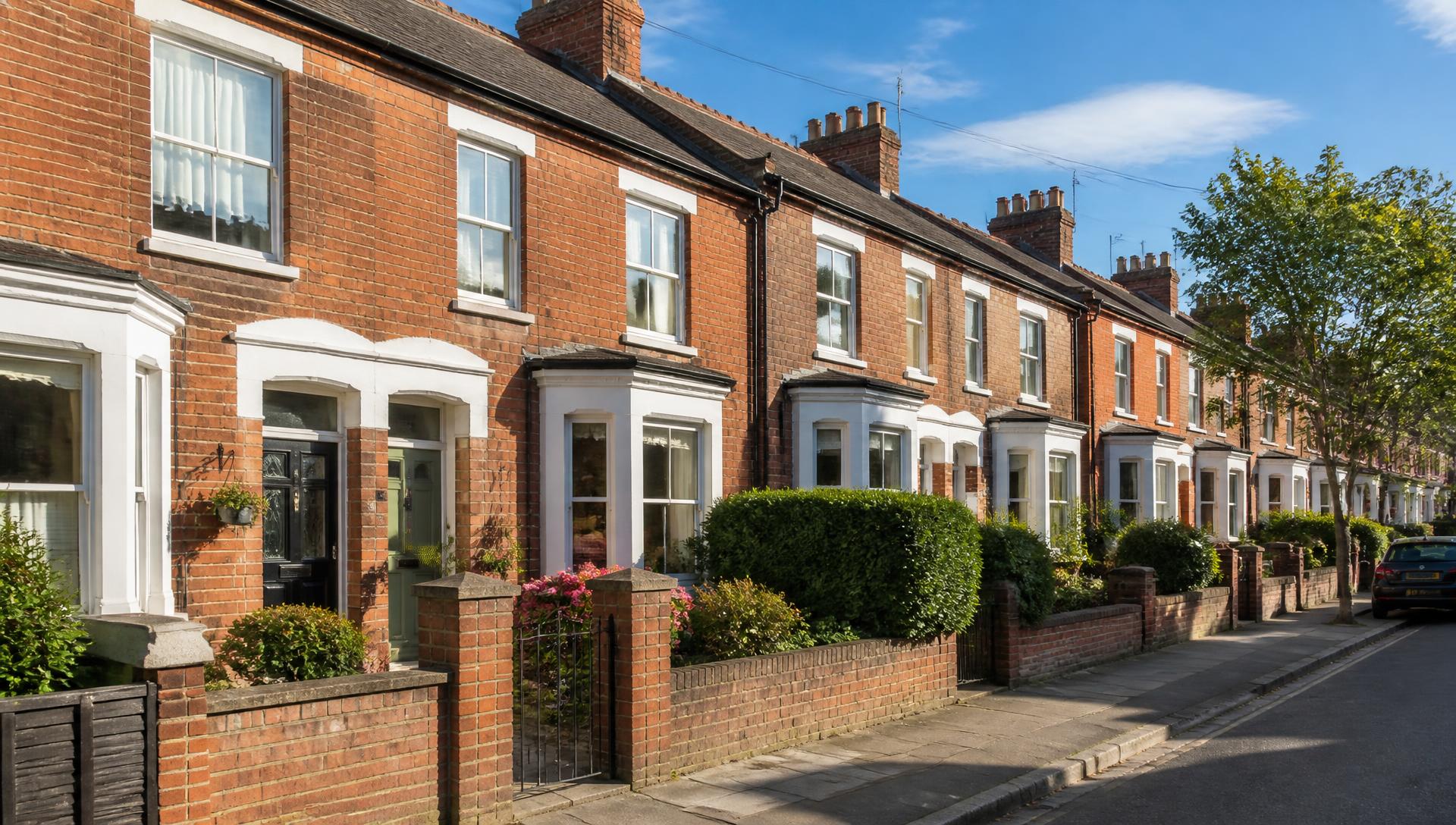
Not every property that looks good online makes a good investment. Here is how we separate the right buy-to-lets from the wrong ones.
The right kind of property
The best buy-to-lets are usually boring on the outside and reliable on the spreadsheet. They sit in areas with steady tenant demand, sell at prices that stack up against local rents, and need little imagination to let.
- Strong local tenant demand from families, professionals or key workers
- Simple, practical layouts that let quickly and stay let
- Good transport, schools, shops or employment nearby
- Freehold or a lease with plenty of years left and reasonable charges
- Scope for modest value-add without taking on a full development
The wrong kind of property
The wrong property often sells a lifestyle rather than an income. It may look impressive, but if the numbers only work in perfect conditions it is a bet, not an investment.
- Holiday lets or niche markets that depend on fashion or season
- Remote locations with thin rental demand
- Short leases, high service charges, or restrictive covenants
- Homes bought because the client would like to live there
- Refurbishments that need specialist skills the client does not have
The final filter
Before any offer goes in, we stress-test the deal against voids, rate rises, and a worst-case exit. If the property still makes sense, it goes forward. If it only works on a rosy forecast, we walk away. There is always another deal.
This article is general information, not financial advice. Each purchase should be reviewed on its own merits with qualified advisers.
Talk it through in private
Every client relationship begins with an hour face to face. No obligation, no sales pitch — an honest conversation about what property could do for you.